Roller Replacement
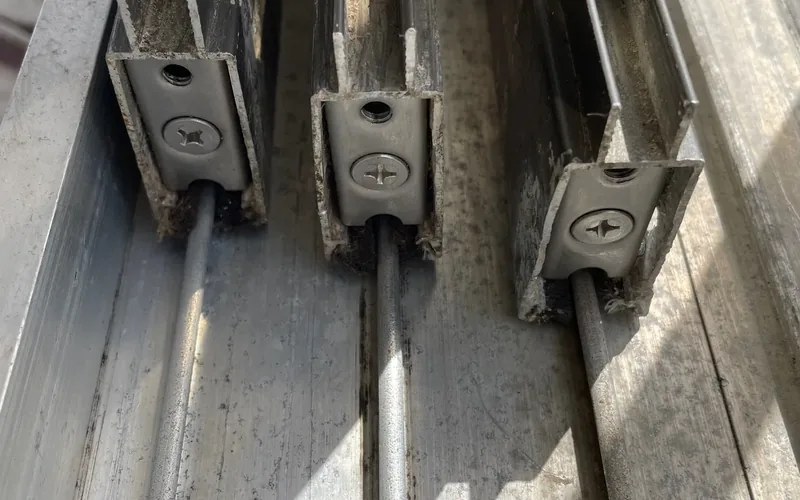
Doors that stick, grind, or jump the track almost always come down to worn rollers. We replace them with heavy-duty stainless rollers so your door glides with one finger again.
About this service
A barrier island with the Atlantic on one side and the Banana River on the other. If there is a harder address in Brevard for a sliding door, we have not found it.
Cocoa Beach is a narrow barrier island, which means salt does not just visit — it lives there. Oceanfront and ocean-adjacent doors take airborne salt continuously, and the prevailing easterlies push it right through screen tracks and into roller housings. On the worst exposures we see rollers reach seizure inside five years without maintenance, which is roughly half the life the same hardware would get twenty miles inland.
The building stock compounds it. Cocoa Beach filled in through the space-race decades and has a dense population of mid-century and 1970s low-rise condominium buildings, many of them oceanfront, most with their original sliding door openings. Those buildings also bring the second Cocoa Beach complication: association rules. On a condo balcony slider the question of who authorises and who pays is frequently as involved as the repair itself.
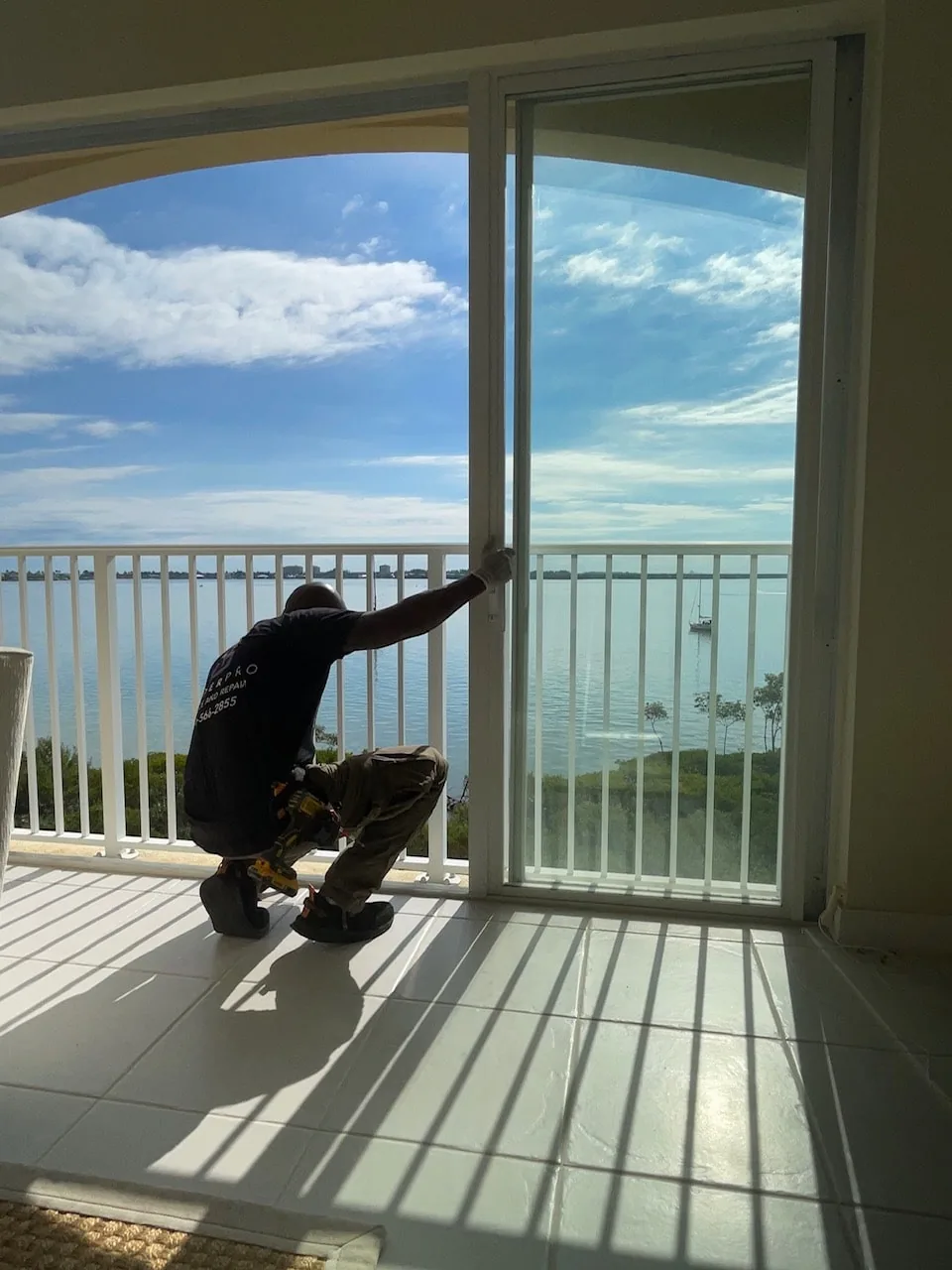
Doors that stick, grind, or jump the track almost always come down to worn rollers. We replace them with heavy-duty stainless rollers so your door glides with one finger again.
About this serviceWe repair torn, sagging, or sun-damaged screens using your existing frames — for a fraction of the cost of a new screen, so bugs stay outside where they belong.
About this serviceBroken pane, cloudy seal, or stained glass? We replace the pane in your existing frame — safely removing the old glass and fitting new, so the fix is permanent, not a temporary shine.
About this serviceFactory latches are solid for everyday use. We add true deadbolts and secondary locks engineered for sliding doors, for an extra layer of security where it counts.
About this serviceDeep track cleaning, lubrication, alignment, and inspection — the tune-up that keeps small wear from turning into a seized door or a broken roller.
About this serviceA cracked arch is a glass problem, not a window problem. The new piece is cut to the shape of your existing opening — half-round, quarter-round or circular — so the frame and surround stay put.
About this serviceStruck impact glass cracks and stays put — that is the system working. In most cases the sealed unit is replaced inside the original frame, grids and all, instead of the whole window.
About this serviceCocoa Beach is a narrow barrier island with the Atlantic on one side and the Banana River on the other, and the prevailing easterlies blow salt aerosol across it continuously. That is the whole story of door failure here. Salt settles in the bottom track, works into the roller housing, and corrodes the bearing from the inside. On direct oceanfront exposures without maintenance, seizure inside about five years is unremarkable — roughly half the life the same hardware manages well inland.
The building stock is the second half of the picture. Cocoa Beach filled in through the space-race decades, leaving a dense population of mid-century and 1970s low-rise condominium buildings, a great many of them oceanfront and most still using their original door openings. Balcony sliders on those buildings are heavy, exposed and often five stories up, which changes the economics of the repair: the labor of reaching the door dominates, so it is worth fitting hardware that will not need doing again next season.
Condominium ownership adds a step that inland homeowners never think about. On many buildings the balcony slider, its frame or its glass is association property even though the unit interior is not, so the question of who authorises and who pays comes before the question of what is wrong. It is worth resolving before a technician is standing on the balcony.
Not listed? Call 772-722-4036 — this is a sample, not a limit.
On an oceanfront building the practical advice is unglamorous and it works: rinse the track. Fresh water through the bottom track every few weeks removes the salt before it has time to sit in the roller housing, and it costs nothing. It is the single highest-return thing an oceanfront owner can do, and almost nobody does it.
The second point is about parts. On a beachfront exposure, fitting the cheapest available roller is a false economy — it buys you a couple of seasons. We fit sealed, heavy-duty bearings where the exposure justifies it, because the labor of getting to a fifth-floor balcony door is the same regardless of what you put in it.
On direct oceanfront exposure without maintenance, seizure inside about five years is common — roughly half what the same hardware achieves well inland. Rinsing the track with fresh water every few weeks meaningfully extends that, at no cost.
Check first. On balcony sliders many associations treat the door, the frame or the glass as association property even when the unit interior is yours. We are used to these conversations and can explain to a board exactly what the work involves.
Yes. The labor of reaching and lifting a heavy balcony panel is identical whatever hardware goes in, so the marginal cost of sealed heavy-duty bearings is small compared with doing the whole job again in two seasons.
Regularly. Cocoa Beach has a dense population of space-era low-rise buildings with original door openings. Exact original hardware is often long obsolete, but the openings take modern replacements, usually with better bearings than the originals.
It genuinely works and it is free. Fresh water through the bottom track every few weeks flushes salt out before it settles into the roller housing. On an oceanfront door it is the highest-return maintenance there is.
It depends entirely on your building's declaration. Many treat the door, frame or glass as association property even where the interior is the owner's. Check before booking, and we can explain the scope to a board if that helps.
Somewhat, but do not count on much. The island is narrow and the wind carries salt across it. River-side exposures typically buy a little time rather than a different outcome.
In most cases yes. The original hardware is long obsolete as a like-for-like part, but the openings are conventional enough that modern heavy-duty rollers fit, and sealed bearings suit this exposure far better than the originals did.
Every few weeks on direct oceanfront exposure, monthly a street or two back. Flush the channel with fresh water and clear the debris rather than letting it dry back in. It removes salt before it reaches the roller housing, and it costs nothing.
Yes. Declarations differ on whether a balcony slider, its frame or its glass is association property. The issue is usually authorisation rather than cost, and a quick check avoids work that is not permitted or not reimbursed.
Because the labor of reaching and safely handling a high-floor balcony panel is the same whatever hardware goes in. On an exposure that destroys budget bearings in a couple of seasons, fitting sealed heavy-duty ones is the cheaper outcome, not the premium one.
Rarely. The original hardware is obsolete, but the openings are conventional and take modern rollers. What genuinely needs checking on a building that age is how much sound metal is left in the track, and whether the frame is still square.
Also serving nearby:
Sliding doors are built to let some water in and drain it back out. When that system clogs, sags or gets overpowered by wind, water ends up on your floor. Here's how to find which part failed, and which leaks are a door repair and which are a wall problem.
Read the guide
Impact glass protects the slider every hour of the year. Shutters protect it when someone closes them. Here's how the five common options compare on protection, effort, insurance and upkeep.
Read the guide
Salt explains most failures on a beachside slider. Inland, the story is sun on the seals, afternoon storm water at the sill, pool splash and older housing stock. Here's how to tell which kind of wear your door has.
Read the guide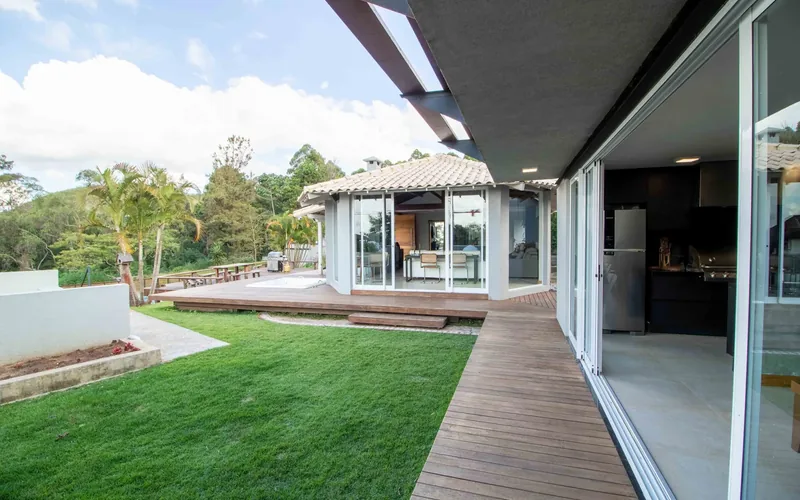
A door that doesn't move corrodes faster than one that does. Here's the week-before-you-leave routine for your sliders, how to handle shutters and storms while you're gone, and the order to check things when you come back.
Read the guide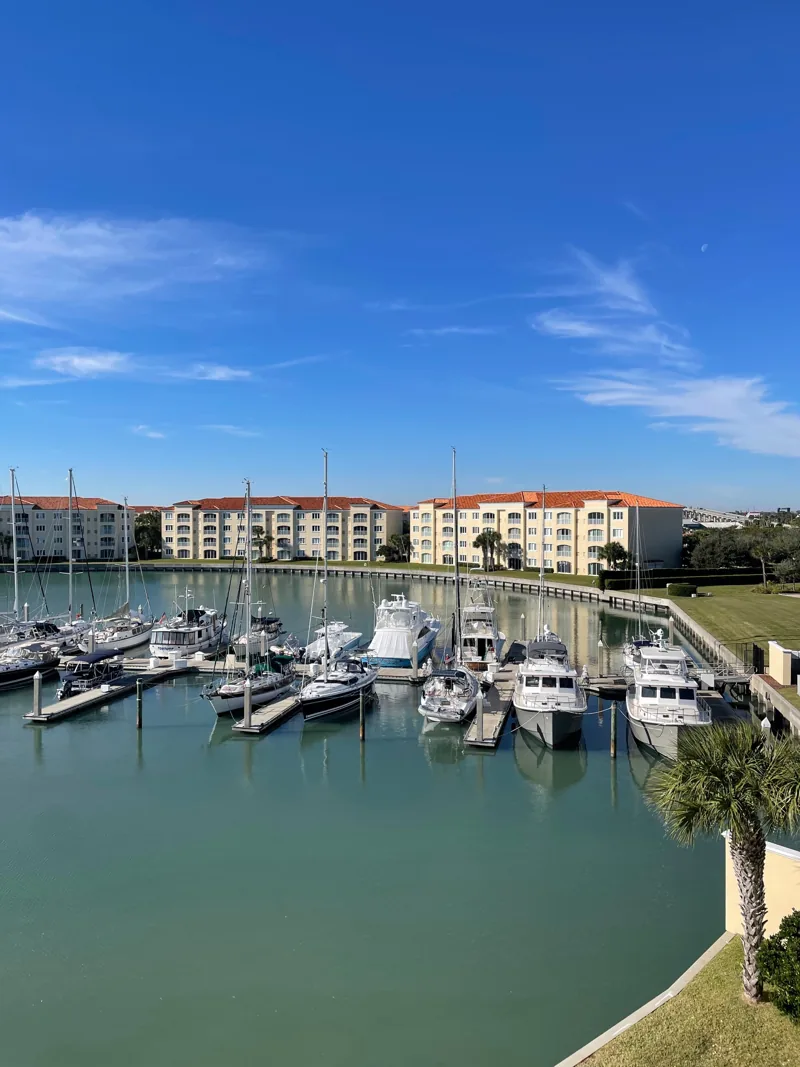
A Cocoa Beach condo, a canal home on Merritt Island and a house in inland Palm Bay all have sliding doors, and they wear them out in three different ways. Here's what each part of Brevard does to the hardware.
Read the guideFaster than almost anywhere else we work. On direct oceanfront exposure, with no maintenance, roller bearings reaching seizure inside about five years is unremarkable. The same hardware, in the same house, twenty miles inland would typically manage double that. The difference is not the door. It is that the air arriving at a barrier island address carries salt continuously, and the prevailing easterlies push it straight into the bottom track.
What makes it worse is that the bottom track is a trap by design. It is a channel at floor level whose job is to catch and guide the panel, which means it also catches everything the wind brings. Salt settles there, moisture keeps it active, and the roller housing sits directly in it. Nothing about that arrangement is a flaw; it just means an oceanfront door needs attention that an inland door does not.
The practical read for an owner is simple. If your Cocoa Beach door has never been serviced and it is more than five years old, it is probably already past the easy repair window, even if it still moves.
It depends on your building, and it is worth establishing before anyone is booked. Condominium declarations vary considerably on this point. Some treat the balcony slider entirely as unit-owner property. Some treat the frame and the glass as association property while the interior finish is the owner’s. Some distinguish between the door itself and the opening it sits in.
The reason it matters practically is authorisation rather than money. On a building where the slider is association property, an owner booking a repair privately can find the work is not permitted, or is not reimbursed, or conflicts with a scheduled building-wide program. A five-minute check of the declaration avoids all of that.
We are comfortable dealing with either route. If a board or a property manager needs the scope explained before approving work, we can set out what is worn, what we propose, and why, in terms that make sense to somebody who is not a door technician. If you are an owner and you are not sure where you stand, ask the association first and call us second.
On a ground-floor slider the hardware is most of the job. On a fifth-floor oceanfront balcony it is not, because getting to the door and safely handling a heavy panel in an exposed position is the larger part of the work.
That changes the economics in a way that is genuinely in the owner’s favor, and it is worth understanding. Since the labor of reaching the door is essentially fixed, the marginal cost of fitting better hardware once you are there is small. Fitting a budget roller to save a modest amount on parts, on an exposure that will destroy it in two seasons, means paying the entire access cost again far sooner than necessary.
This is why we specify sealed, heavy-duty bearings on beachfront work rather than treating them as an upgrade. On this exposure they are the appropriate part, not an upsell.
Generally yes, and we work on them regularly. Cocoa Beach filled in through the space-race decades and has an unusually dense stock of low-rise condominium buildings from that era, a great many of them oceanfront and most still using their original door openings.
The original hardware in those buildings is long out of production, which sounds like a problem and usually is not. The openings themselves are conventional, so modern rollers fit. What does need checking on a building of that age is the track and the frame: decades of salt exposure on a shallow mid-century track can leave less sound metal than a photograph suggests. Where the rail has gone, a stainless capping insert normally restores it without touching the frame.
Where we would tell an owner to stop is a frame that has racked or opened at the corners. That is a genuine end-of-life condition and no hardware fixes it.
One thing, and it outperforms everything else available to you: rinse the bottom track with fresh water.
Beyond that, resist forcing a door that has become stiff. A door that needs a shove is telling you a bearing has stopped turning, and every forced operation from that point is grinding your track. Our track cleaning guide has the full routine, and it is written for exactly this kind of address.
Honest quotes and repairs usually finished in a single visit — call or send the form.