Roller Replacement
Doors that stick, grind, or jump the track almost always come down to worn rollers. We replace them with heavy-duty stainless rollers so your door glides with one finger again.
About this service
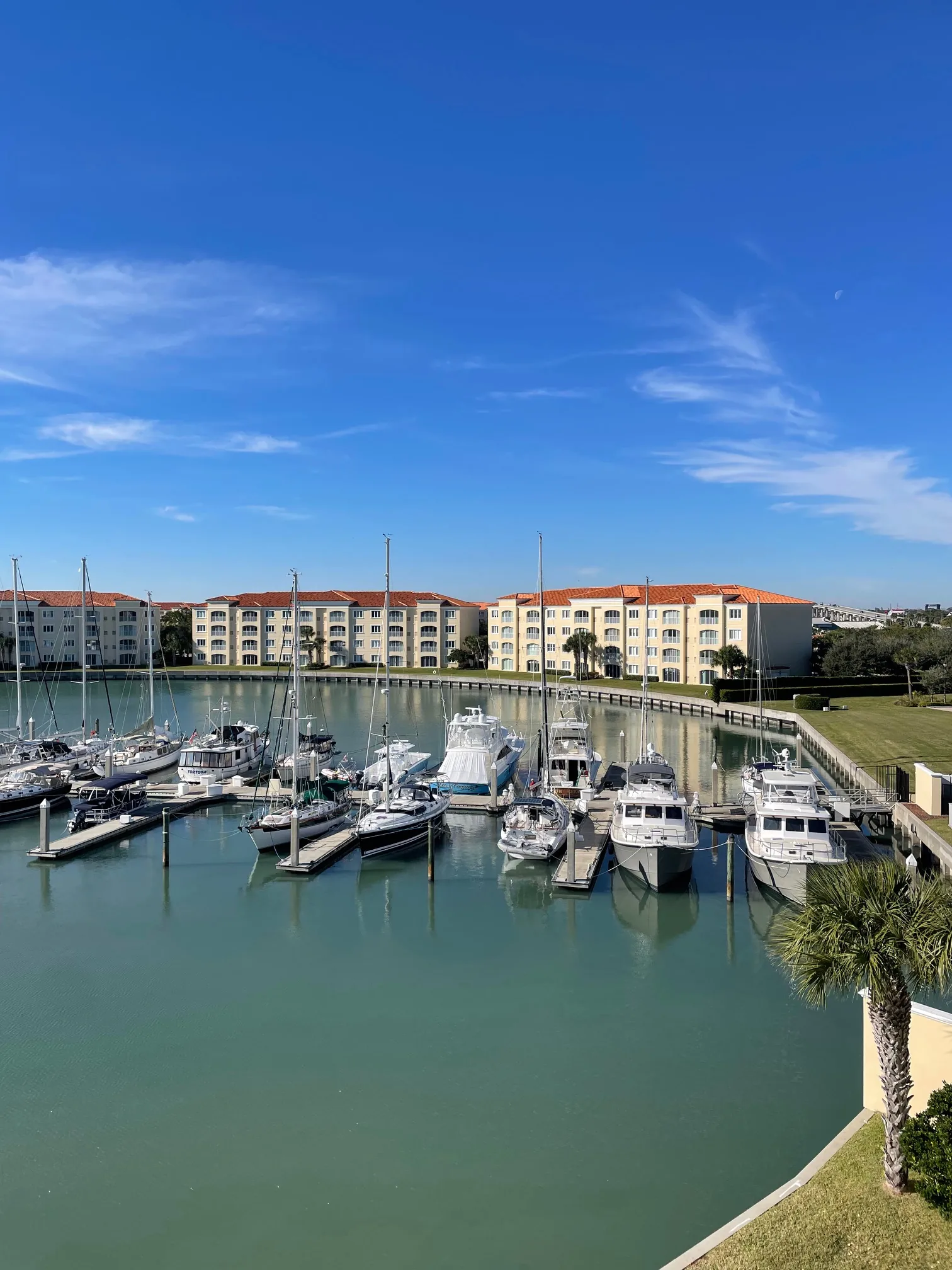
Water on both sides, and a housing stock built in a hurry during the space boom. Merritt Island doors get a double dose of brackish air and a lot of original 1960s and 1970s hardware.
Merritt Island has a geography that is unusually hard on sliding doors: the Indian River on one flank, the Banana River on the other, and canals threaded through the middle. There is almost nowhere on the island that is genuinely away from water. Brackish is not as aggressive as open Atlantic salt, but it is relentless and it comes from every direction, so exposure does not drop off the way it does when you drive inland from a beach.
Layer on the housing stock. A great deal of Merritt Island went up quickly during the space program years, which left a large population of 1960s and 1970s single-story homes with original aluminum sliders still in the openings. Those doors were built when a slider was a simple thing — thin frames, small steel rollers, shallow tracks. Sixty years of humid, salt-laden air later, the surprise is not that they stick. It is how many of them still move at all.
Doors that stick, grind, or jump the track almost always come down to worn rollers. We replace them with heavy-duty stainless rollers so your door glides with one finger again.
About this serviceWe repair torn, sagging, or sun-damaged screens using your existing frames — for a fraction of the cost of a new screen, so bugs stay outside where they belong.
About this serviceBroken pane, cloudy seal, or stained glass? We replace the pane in your existing frame — safely removing the old glass and fitting new, so the fix is permanent, not a temporary shine.
About this serviceFactory latches are solid for everyday use. We add true deadbolts and secondary locks engineered for sliding doors, for an extra layer of security where it counts.
About this serviceDeep track cleaning, lubrication, alignment, and inspection — the tune-up that keeps small wear from turning into a seized door or a broken roller.
About this serviceA cracked arch is a glass problem, not a window problem. The new piece is cut to the shape of your existing opening — half-round, quarter-round or circular — so the frame and surround stay put.
About this serviceStruck impact glass cracks and stays put — that is the system working. In most cases the sealed unit is replaced inside the original frame, grids and all, instead of the whole window.
About this serviceMerritt Island's defining feature for a door technician is that there is no inland. The Indian River sits on the west, the Banana River on the east, canals run through the middle, and the island is narrow enough that brackish, humid air reaches essentially every property. On the mainland you can drive away from the water and watch corrosion rates drop. Here you cannot.
Brackish exposure is less aggressive per year than open Atlantic salt, so Merritt Island doors do not fail as fast as Cocoa Beach doors. What they do instead is fail quietly. Corrosion advances slowly inside the roller housing where nobody can see it, and the first symptom most owners notice is simply that the door has become a two-hand job. By then the bearing is usually seized and the wheel has been skidding for months.
The other Merritt Island factor is age. A large share of the island's housing went up during the space program years, which leaves an unusual concentration of 1960s and 1970s homes with original aluminum sliders — thin frames, small steel rollers, shallow tracks, and six decades of humid air. Original hardware is generally obsolete now, but the openings accept modern replacements, and the modern bearing is usually better than what the door left the factory with.
Not listed? Call 772-722-4036 — this is a sample, not a limit.
On canal and riverfront properties, the failure we find most often is not the one the homeowner describes. They report a door that drags. What we find is a roller housing that has corroded from the inside, where the bearing sits, with the visible wheel still looking serviceable. The door drags because the bearing has effectively welded itself, so the wheel is skidding along the track rather than rolling.
That distinction matters because skidding destroys the track. Left long enough, a seized roller cuts a groove into the aluminum rail, and then no new roller will run true until the track is capped or replaced. Catching it while the door merely feels heavy is the difference between a roller job and a roller-plus-track job.
Not as aggressive per year, but harder to escape. Merritt Island has water on both sides and canals through the middle, so there is very little of the island where exposure genuinely drops off. The clock runs slower than Cocoa Beach and faster than anywhere inland.
Usually yes. Original hardware from that era is often obsolete as a like-for-like item, but the openings are standard enough that modern heavy-duty rollers can be fitted, frequently with better bearings than the door ever shipped with.
That is the classic Merritt Island failure. The wheel looks serviceable while the bearing inside has corroded solid, so the wheel skids instead of rolling. It is worth acting on quickly, because a skidding roller grooves the track and turns a roller job into a track job.
They sit close together on our northern route, so yes, where scheduling allows. If you and a neighbor or a second property both need work, mention it when you call 772-722-4036.
That is corrosion at the halfway point. The bearing has stiffened but not fully seized, so the wheel is partly skidding. It is the ideal moment to act, because the track has not been grooved yet.
Broadly similar. Canals are narrow and sheltered but still brackish, and the humidity sitting over them is constant. The bigger variable is usually whether the door has ever been maintained, not which body of water it faces.
Often, yes. A worn bottom rail can frequently be capped with a stainless track insert, which gives the new rollers a true surface to run on without touching the frame.
Yes. Older single-pane panels are lighter than modern impact glass but the frames are thinner and easier to distort, so they need lifting properly rather than levering. That is exactly the sort of thing that goes wrong when a door is forced back on.
For corrosion, yes, because there is nowhere on the island that is genuinely away from water. The Indian River is on one side, the Banana River on the other, and canals run through the middle. Treat maintenance intervals as closer to beachfront than suburban.
Look along the bottom rail. A skidding wheel polishes a bright continuous stripe into the aluminum and often leaves fine metal dust in the track, where a rolling wheel leaves the rail evenly dull. A bright polished line usually means the bearing has stopped turning.
In most cases yes. A stainless insert caps a worn or grooved bottom rail and gives new rollers a true, hard surface without touching the frame. On a corrosion-exposed island address it typically outlasts the original aluminum rail comfortably.
Almost certainly not. Re-screening the existing frame keeps the original fit and costs a fraction of a replacement unit. A new frame is only warranted when the corners themselves have corroded through.
Also serving nearby:

Grooved, bent, pitted or cracked: a sliding door track fails in four ways, and a repair kit only fixes some of them. Here's what dressing, capping and replacement each solve, and what they don't.
Read the guide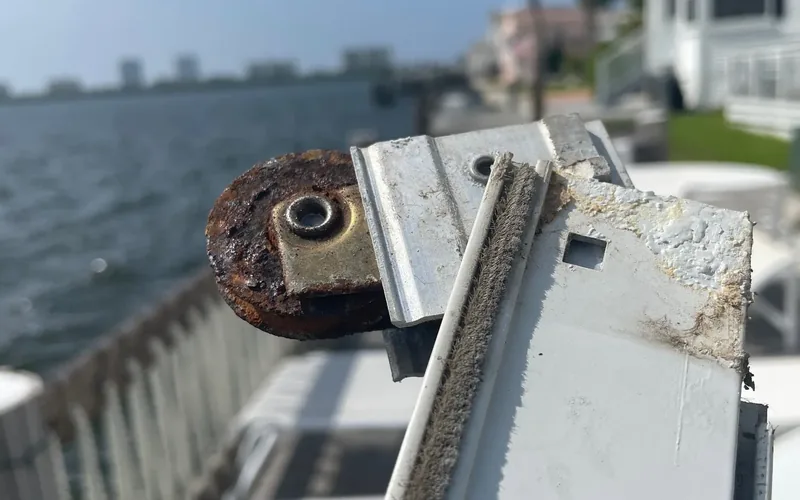
Wheel material, bearing type, single or tandem, and the profile of the wheel's edge. Here's how every roller option compares, and which one belongs under your door.
Read the guide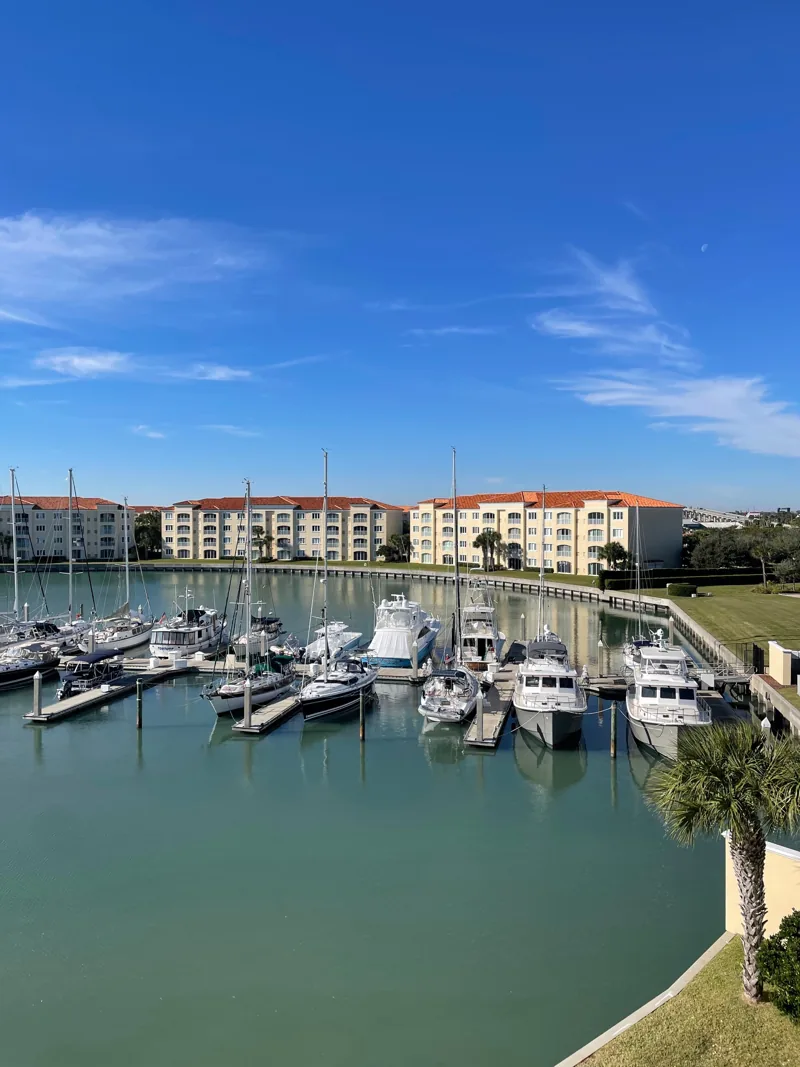
A Cocoa Beach condo, a canal home on Merritt Island and a house in inland Palm Bay all have sliding doors, and they wear them out in three different ways. Here's what each part of Brevard does to the hardware.
Read the guideGeography. The Indian River runs down the western side, the Banana River down the eastern side, and canals thread through the middle of the island connecting to both. At its widest the island is only a few miles across, and much of the developed area is far narrower than that. Wherever your house sits, brackish water is close and the air moving over it is humid and salt-bearing.
On the mainland, distance from water is a genuine variable — drive twenty minutes inland from a Brevard beach and corrosion rates drop sharply. Merritt Island removes that variable. It is the reason we treat essentially every address on the island as a corrosion-exposed one, and why maintenance intervals here should be closer to a beachfront schedule than a suburban one, even for houses that feel comfortably inland.
The compensating factor is that brackish is not open ocean. Cocoa Beach doors, a short drive east across the Banana River, are on a materially faster clock. Merritt Island sits in between: slower failures than the barrier island, but nowhere to hide from them.
A large share of Merritt Island's housing went up quickly during the space program years, and a surprising amount of it still has its original sliding doors. Those doors were built to a different standard: thin aluminum extrusions, small steel roller wheels, shallow bottom tracks, and no expectation that anyone would still be operating them sixty years later.
What that age does is mostly invisible. The visible aluminum may look tired but serviceable. Inside the roller housing, where the bearing sits, decades of humid salt-bearing air have been working continuously. The bearing stiffens, then binds, then locks. Meanwhile the bottom track, which was shallow to begin with, has lost material to corrosion and may have been ground down further by a wheel that stopped turning some time ago.
The good news is that the openings on these doors are conventional. Original hardware is long obsolete as a like-for-like replacement, but modern heavy-duty rollers fit, and a modern sealed bearing is genuinely better suited to this environment than the part the door left the factory with. A well-serviced 1960s Merritt Island slider can be a better door now than it was in 1968.
This is the single most useful distinction on Merritt Island, because the two feel similar to a homeowner and need different urgency.
The tell that homeowners can check without tools is the sound and the surface. A skidding wheel tends to polish a bright, continuous stripe along the bottom rail rather than leaving it evenly dull, and it often leaves fine aluminum dust in the track. If you can see a bright polished line, the roller has probably stopped turning.
Acting at that point matters. A seized roller caught early is a roller job. Left running for months, it cuts a groove that no new roller will run true in, and the repair then also needs the track capped or replaced.
Usually, yes, and without touching the frame. Where a bottom rail has been worn or grooved, a stainless steel track insert can be fitted over the damaged aluminum, giving new rollers a true, hard surface to run on. On a corrosion-exposed island address that upgrade often outlives the original rail by a wide margin, because stainless does not pit the way the original aluminum did.
It is not a universal fix. If corrosion has thinned the track to the point where there is nothing sound left to fasten an insert to, or if the frame itself has lost integrity at the corners, then the honest answer is that the door has reached the end. We would rather tell you that than fit good hardware into something that cannot hold it.
In our experience on Merritt Island, the frame usually outlasts the track, which is exactly why capping is worth doing.
Screens take the same environment and have less material to lose. Frames corrode at the corners, spline hardens and shrinks in the sun, and the mesh itself becomes brittle. On an island address with water on both sides, screen life is short by mainland standards.
The part worth knowing is that a screen frame almost never needs replacing just because the mesh has failed. Re-screening the existing frame is straightforward, keeps the original fit, and costs a fraction of a new unit. Where the frame corners genuinely have gone, we will say so — but the default assumption that a torn screen means a new screen door is usually wrong.
If insects are the driver rather than damage, it is worth asking about finer mesh at the same visit. It is the same labor either way.
Any door that still operates smoothly. That sounds obvious, but it is the opposite of how most people use a repair company — we are usually called once the door has become difficult, by which point the cheap intervention window has closed.
On this island the maintenance case is stronger than almost anywhere else we work, because the corrosion mechanism is continuous and invisible. Flushing the bottom track with fresh water, clearing debris out of it, and keeping the rail clean removes the salt before it has time to settle into a roller housing. It costs nothing and it materially extends bearing life.
Where a door is already heavy, that ship has sailed and it needs hardware. But if yours still slides with one finger, the highest-value thing you can do is keep it that way. Our track cleaning guide covers the ten-minute version, and a maintenance visit covers the parts you cannot reach.
Honest quotes and repairs usually finished in a single visit — call or send the form.