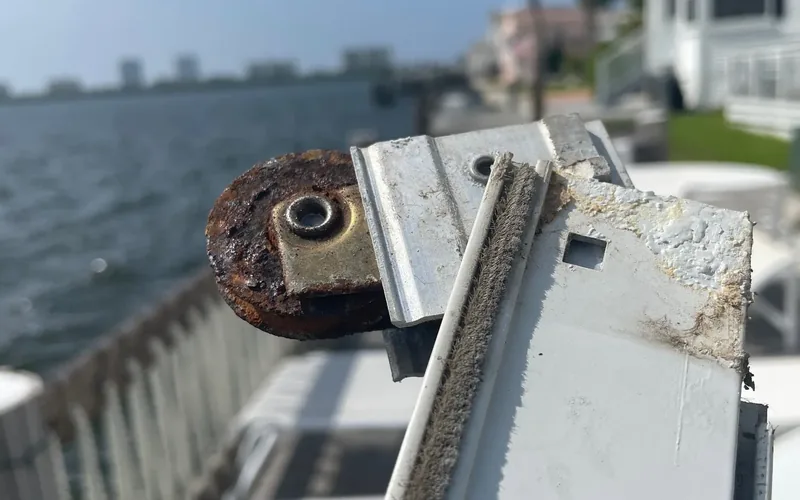
Roller Replacement
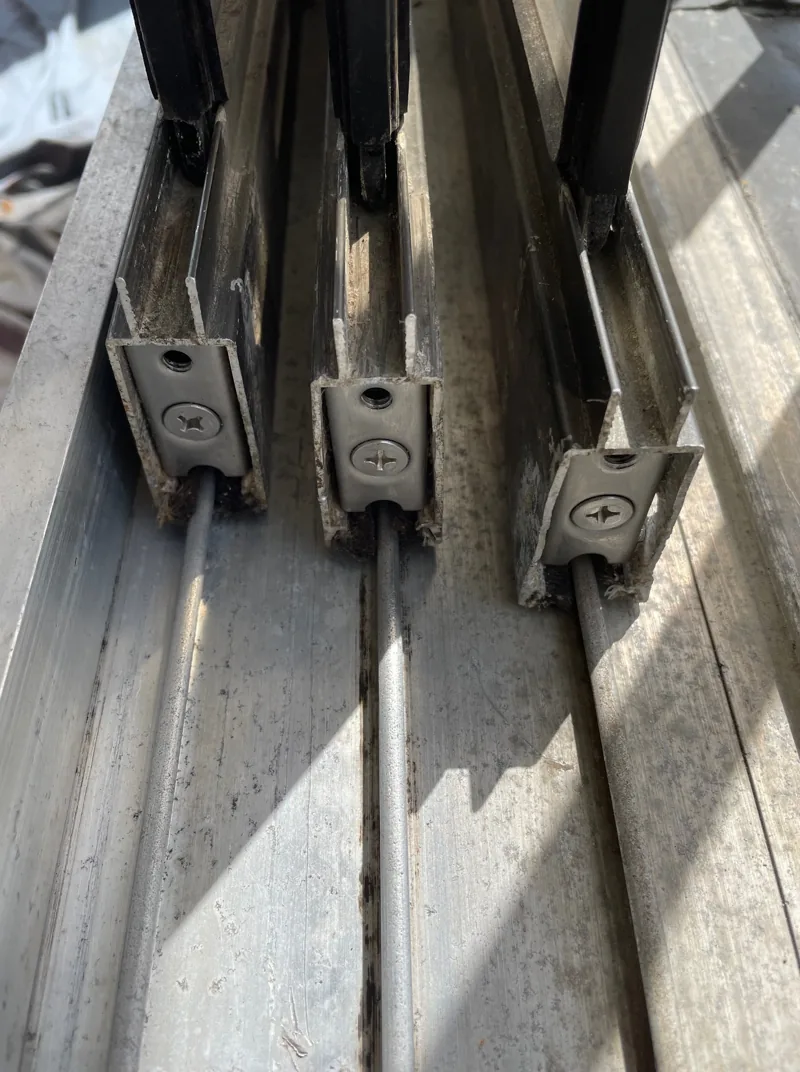
Doors that stick, grind, or jump the track almost always come down to worn rollers. We replace them with heavy-duty stainless rollers so your door glides with one finger again.
Learn more
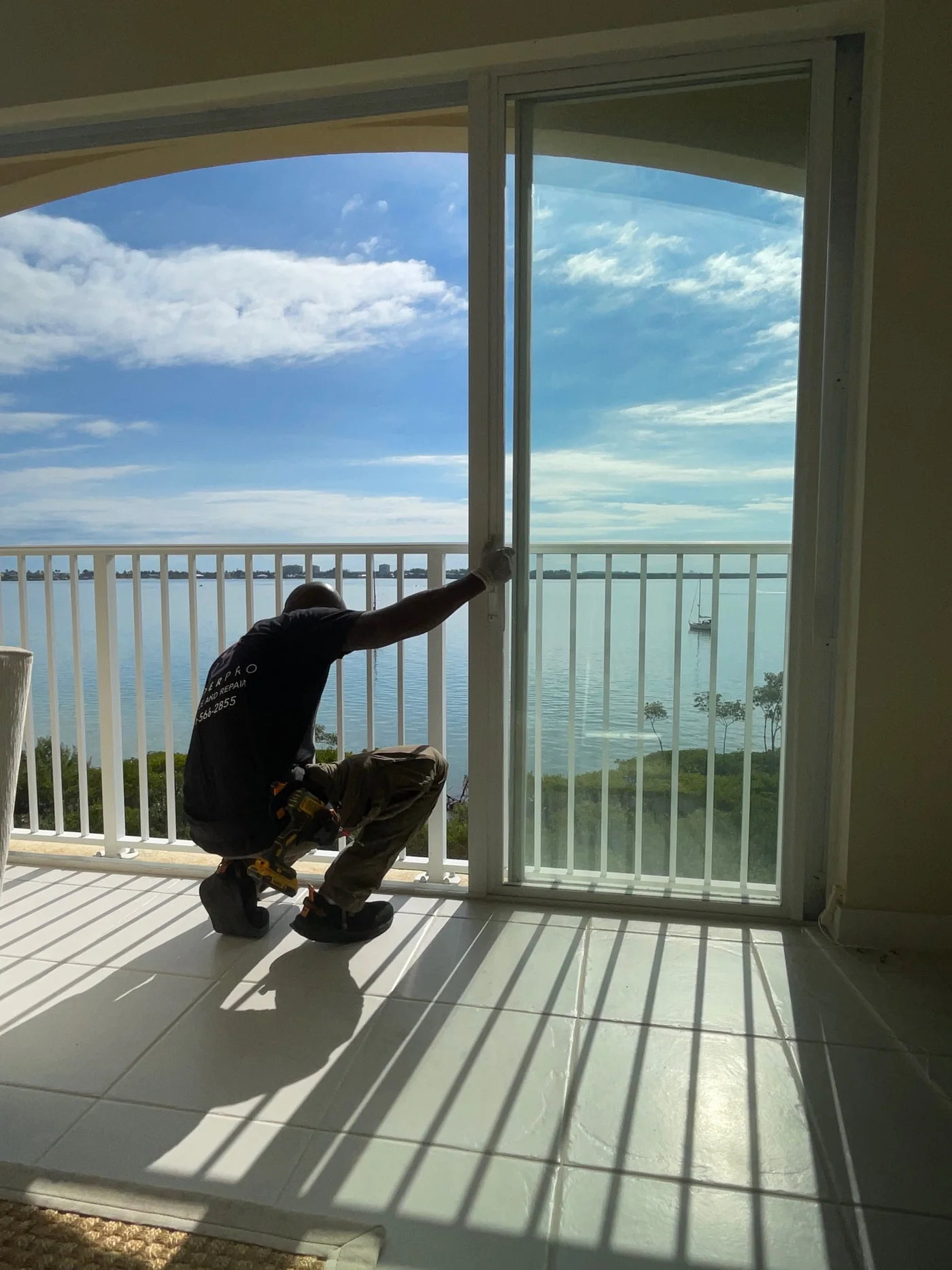
Sticking, grinding, or off-track door? SliderPro's expert technicians restore smooth, one-finger operation — usually in a single visit. Locally owned, honestly priced, and trusted across the Treasure Coast.
Most repairs start at $275, including parts, labor and a 1–3 year warranty.
From worn rollers to torn screens and flimsy latches — we repair what other companies tell you to replace.
Doors that stick, grind, or jump the track almost always come down to worn rollers. We replace them with heavy-duty stainless rollers so your door glides with one finger again.
Learn more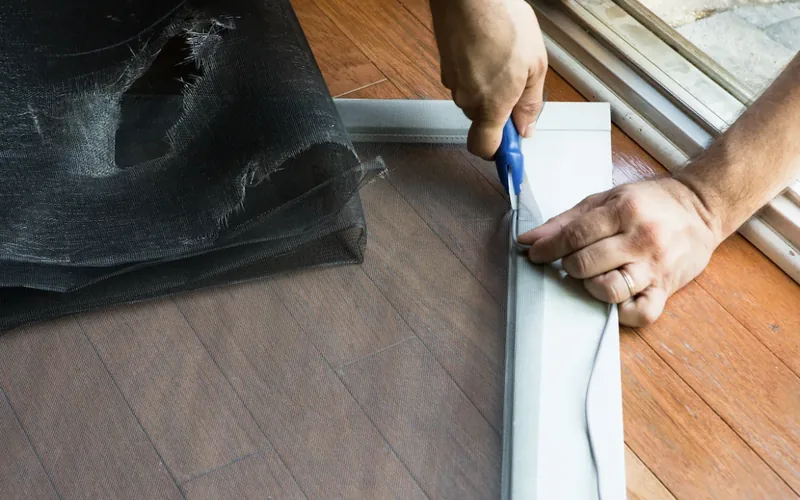
We repair torn, sagging, or sun-damaged screens using your existing frames — for a fraction of the cost of a new screen, so bugs stay outside where they belong.
Learn more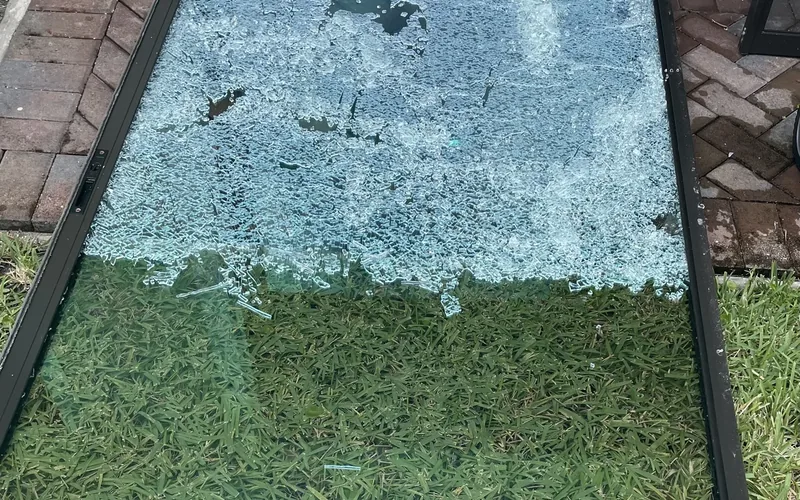
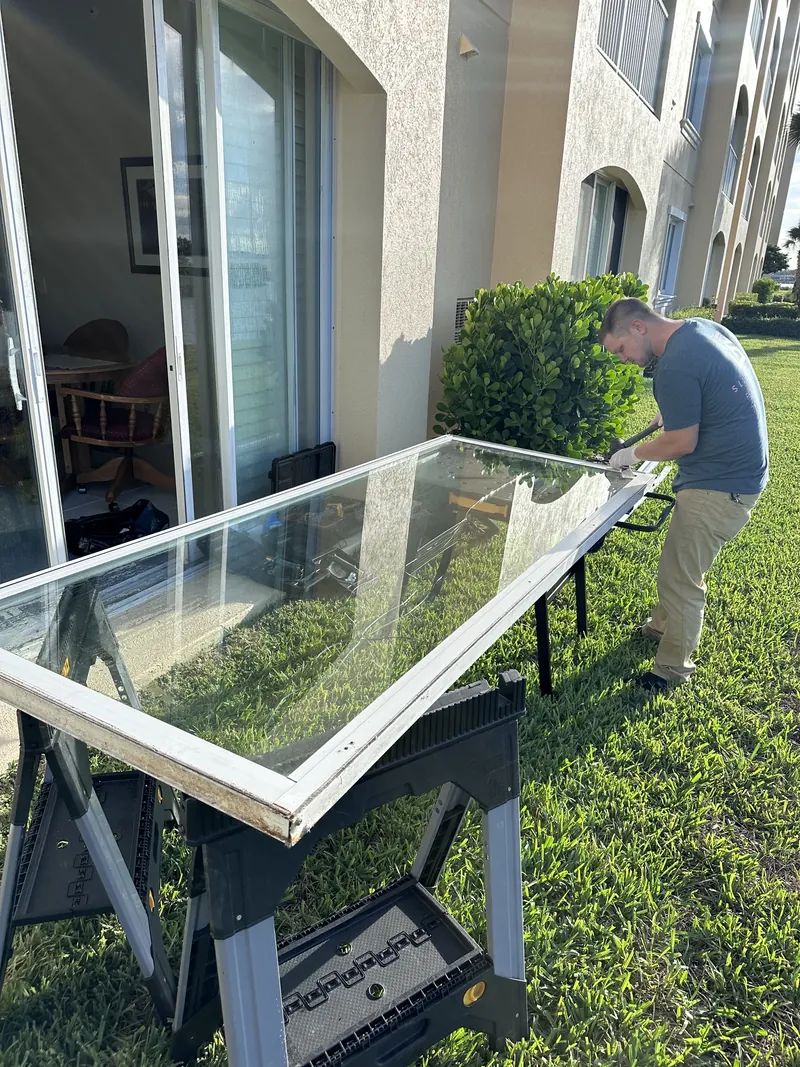
Broken pane, cloudy seal, or stained glass? We replace the pane in your existing frame — safely removing the old glass and fitting new, so the fix is permanent, not a temporary shine.
Learn more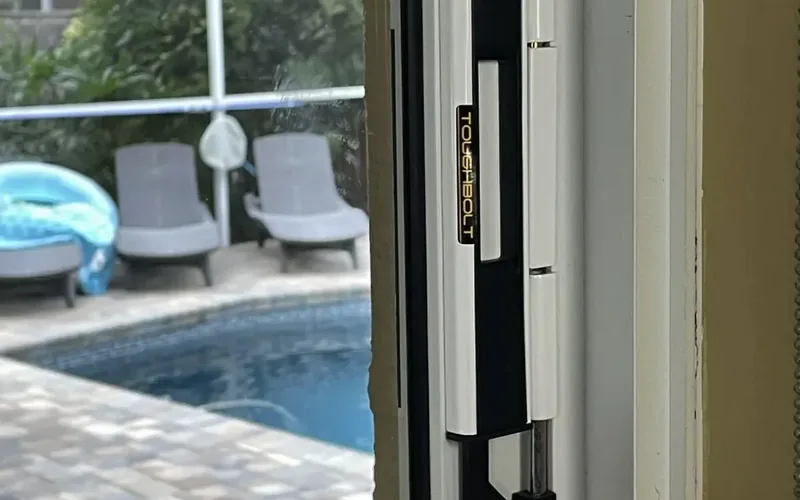
Factory latches are solid for everyday use. We add true deadbolts and secondary locks engineered for sliding doors, for an extra layer of security where it counts.
Learn more
Deep track cleaning, lubrication, alignment, and inspection — the tune-up that keeps small wear from turning into a seized door or a broken roller.
Learn more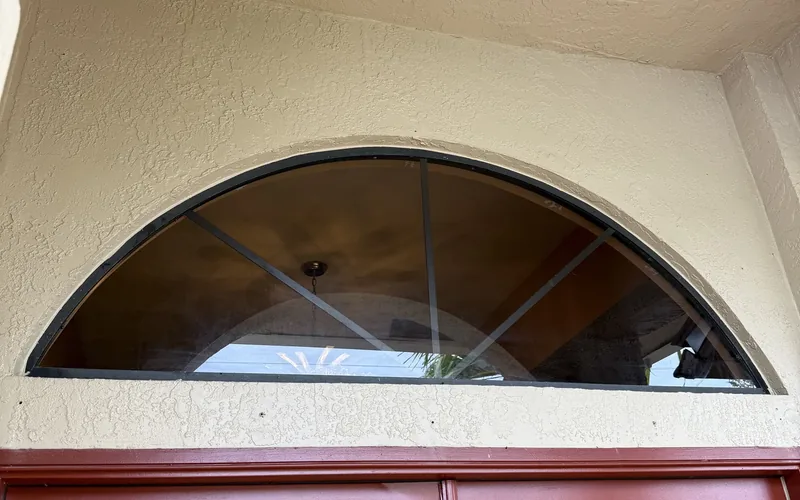
A cracked arch is a glass problem, not a window problem. The new piece is cut to the shape of your existing opening — half-round, quarter-round or circular — so the frame and surround stay put.
Learn more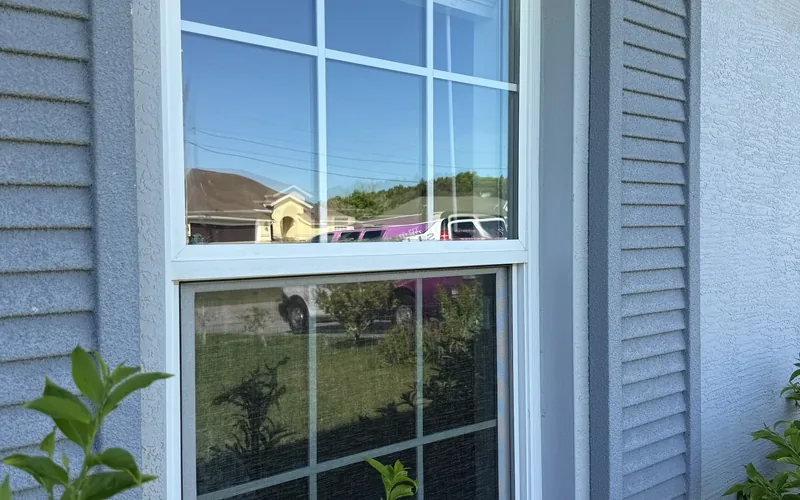
Struck impact glass cracks and stays put — that is the system working. In most cases the sealed unit is replaced inside the original frame, grids and all, instead of the whole window.
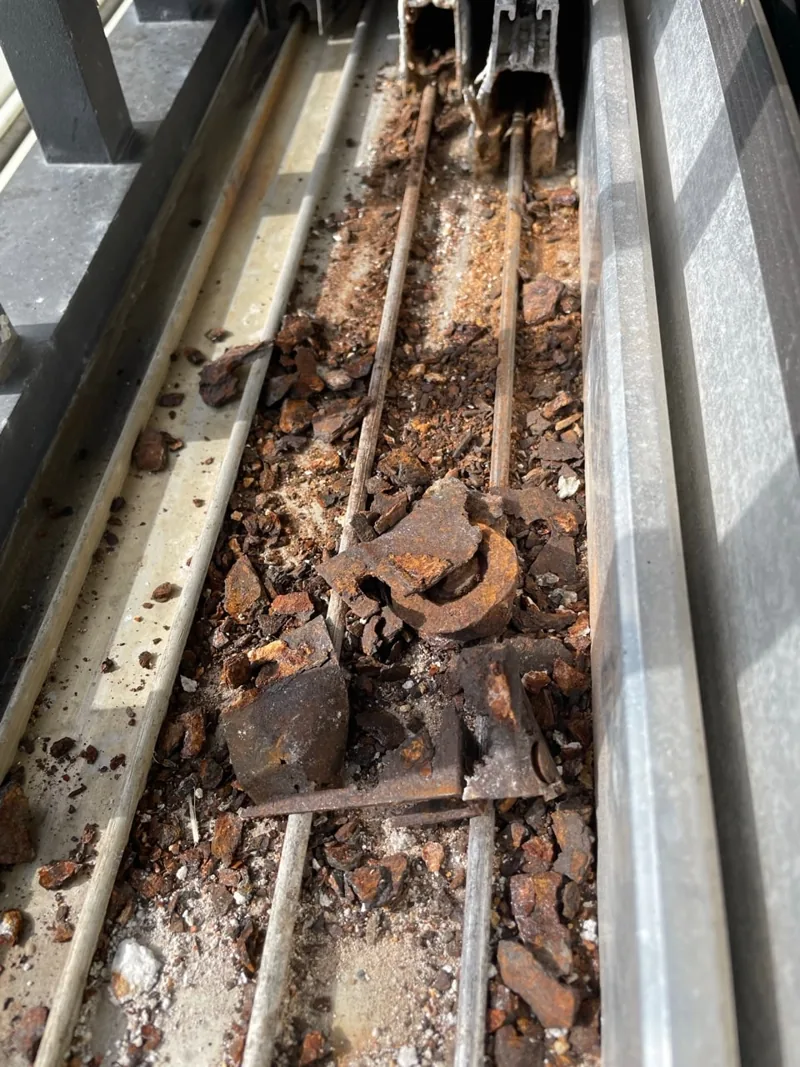
Learn moreOn the Treasure Coast, humidity, salt air, and wind-blown sand work their way into your door's track every single day. Rollers corrode, bearings seize, and suddenly a 200-pound glass door is scraping aluminum instead of gliding on steel.
Tell us what the door is doing. We'll give you straight answers and a clear idea of cost before we roll a truck.
Your technician inspects rollers, track, frame, and locks — and shows you exactly what's worn and why.
We arrive with parts on board: stainless rollers, screen fabric, locks, and track hardware. Most jobs finish same-visit.
You test the door yourself before we leave, and we share simple upkeep tips to keep it gliding.

SliderPro earned the Best of 2026 BusinessRate award for repair service in Port St. Lucie — an award powered by real Google Reviews. Most of our work comes from referrals and repeat customers, and we intend to keep it that way.
“I had a great experience with the technician who came to fix my sliding doors. They were quick, efficient, and made the process easy.”— SliderPro customer, Treasure Coast
Based in Port St. Lucie and on the road across St. Lucie, Martin, and northern Palm Beach counties.
Explore all service areas — or call us: if we can get to you, we will.
A door off its track is either out of the head channel at the top or off the rail at the bottom, and the two have different causes. Here's how to tell which you have, what's safe to try, and when to leave a heavy panel alone.
Read the guideGrooved, bent, pitted or cracked: a sliding door track fails in four ways, and a repair kit only fixes some of them. Here's what dressing, capping and replacement each solve, and what they don't.
Read the guide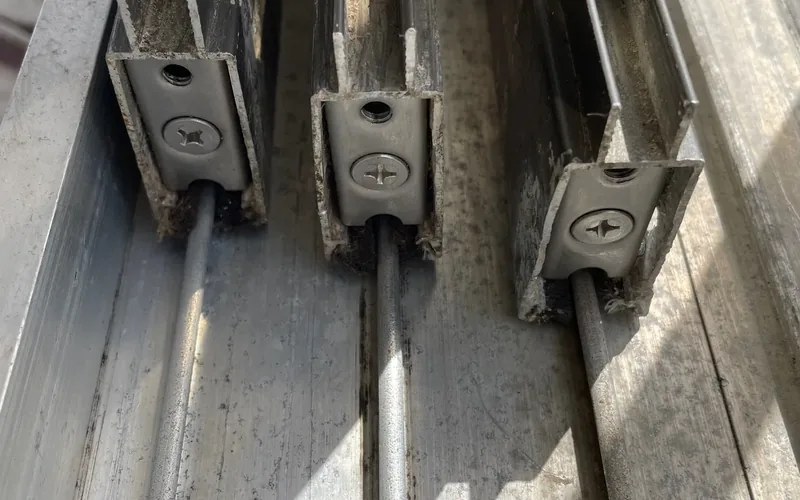
Sliding doors are built to let some water in and drain it back out. When that system clogs, sags or gets overpowered by wind, water ends up on your floor. Here's how to find which part failed, and which leaks are a door repair and which are a wall problem.
Read the guideA curved transom matched to a 37-inch radius, and a struck impact window re-glazed inside its own frame. Both were repairs. Neither needed a new window.
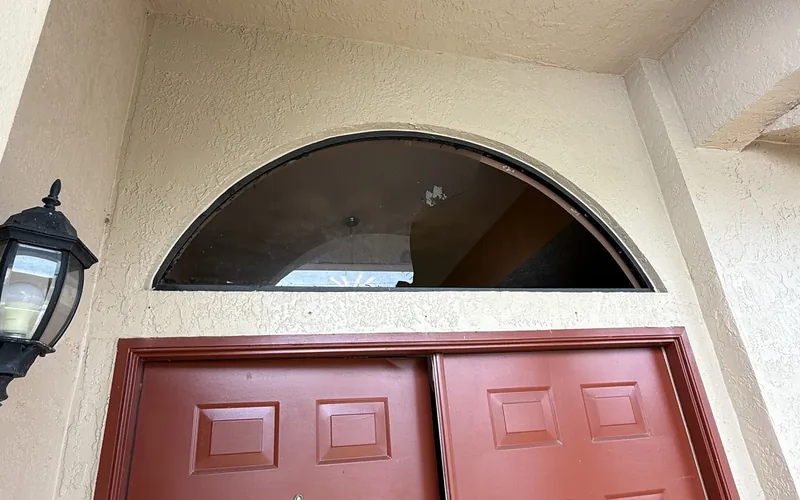
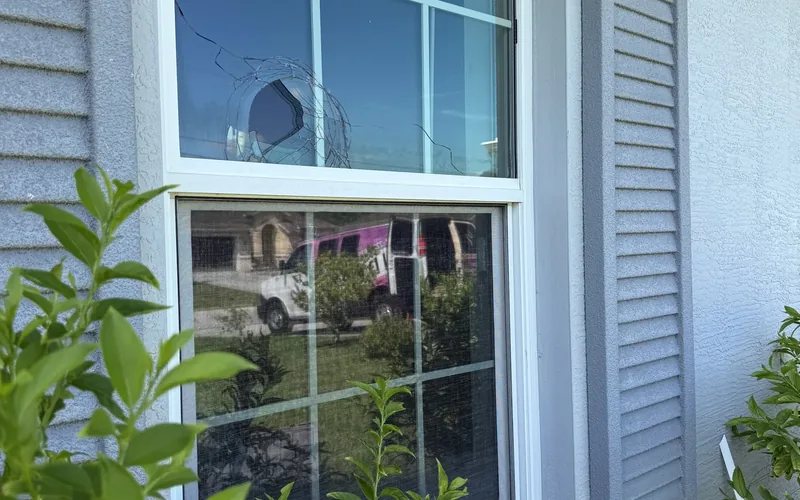
Almost every call we take opens with one of five descriptions, and each one points somewhere different. Matching the symptom to the mechanism before anyone quotes you is the difference between an hour of roller work and a new door.
Not sure which is yours? The symptom index runs through twelve of them, or describe it on the phone and we will tell you what it usually means before anyone drives out.
We are a repair company, so treat this as a biased source and check the reasoning rather than the conclusion. The honest position is that most sliding doors on the Treasure Coast fail at the hardware, not at the door. Rollers, tracks, locks, screens and seals are consumable parts bolted to a frame and a pane that are usually still sound.
A repair is the right call when four things hold: the frame is straight and sound, the glass is intact, the track can be dressed or capped, and rollers for your housing still exist or have a workable equivalent. That describes the large majority of doors we look at.
Replacement genuinely wins in four situations, and we will tell you when you are in one of them.
Anything outside those four is a repair. If a company inspects your slider and quotes only a replacement, ask which of the four applies to your door. The cost guide lists the rest of the questions worth asking back.
Every repair company in Florida tells you salt air is hard on doors. Almost none explains the mechanism, and the mechanism is what tells you how often yours needs attention.
Airborne salt arrives as an aerosol — droplets fine enough to drift on the wind and settle on anything facing the water. The sill of a sliding door is close to a perfect collector: horizontal, sheltered from the rain that would otherwise rinse it, and full of still air. Sodium chloride is hygroscopic, so it pulls water vapor out of humid air and holds a permanent film of brine against metal that never really dries.
Inside a roller housing, that film does two things at once. It carries current between the steel bearing and the aluminum around it, and because aluminum is the less noble metal it corrodes preferentially, swelling into white oxide that pinches the wheel in its pocket. At the same time the brine strips what grease remains from the bearing race. Once the race is dry, wind-blown quartz sand gets in, and quartz is harder than both metals. From that point every pass of the door is a lapping operation on your own hardware.
Distance to open water is the variable that matters most. Ocean-block and barrier island doors take the full aerosol load and age fastest. Canal, riverfront and Intracoastal addresses take a lighter but constant dose — which is why brackish-water homes in Stuart and Port Salerno show corrosion patterns their owners expect to see only at the beach. Inland doors in Tradition or Palm City fail more often from sand and sheer duty cycle than from corrosion.
The full mechanism is here, and our service area page maps the four exposure zones across the route.
Doors fail in cohorts. A neighborhood built across the same three years got the same hardware from the same supplier, and it ages out on roughly the same schedule — which is why we sometimes service four houses on one street in a month. The approximate year your house was built tells us most of what to load on the truck.
Tell us the rough year on the phone and we can usually name the likely failure before anyone sees the door.
A balcony slider in a Florida condo often has two owners at once, and which part belongs to whom is written into your declaration rather than settled by state law. Declarations differ building to building, so the answer for the unit next door is not automatically the answer for yours.
The pattern we see most often splits the door opening from the working parts inside it. The association treats the opening — and sometimes the glass and frame — as a limited common element, while the operating hardware is the unit owner's: rollers, the track insert, the lock, the screen. That is exactly the half of the door that actually wears out, which is why so many owners are surprised by the first quote.
Three habits save money here. Find the maintenance clause and the unit boundary definition in your documents before you approve anything. Ask management or the board in writing rather than at the mailbox, so there is a paper trail if the split is contested later. And ask whoever quotes you to break the price out by component, so the association can see at a glance which lines are theirs and which are yours.
Condo and balcony sliders are a regular part of our week across Jensen Beach, Fort Pierce and Stuart, and we are used to working around building access and quiet hours. What we will not do is tell you what your documents say. Our condo and HOA guide explains the vocabulary — common element, limited common element, unit boundary — and the order to ask in. It is not legal advice; your association or an attorney settles the actual answer.
This is the call we take most in October and November. The door worked perfectly in April, the house sat closed all summer, and now the panel will not move at all.
Nothing swelled and nothing warped. Movement is what keeps a slider alive. Every pass of the door wipes the salt film off the rail and redistributes whatever lubricant is left around the bearing. A door that does not move for five months gets none of that — and it sits still through the hottest, wettest months of the year, which is precisely when the brine film on a bearing race does the most damage. Aluminum oxide grows into the roller housing with nothing scrubbing it back, and the track itself packs down: pollen, leaf litter and blown sand set into a crust instead of being disturbed twice a day.
Two habits change the outcome. Before you fly north, have the tracks cleaned out and the rollers checked, and leave the door locked but not forced shut against a worn seal. When you come back, vacuum the track dry before you slide anything — the ten-minute routine is the same one our technicians follow. If the door still fights you after that, stop pushing. Forcing a seized panel is how a straightforward roller job becomes a track job.
If your house sits empty for half the year, the practical pattern is a look at the doors at each end of the season rather than an emergency the week you land. Sliding door maintenance covers what that involves, and the rental and seasonal checklist covers properties that turn over between guests.
Most repairs start at $275, and that figure includes parts, labor and a 1–3 year warranty on both. We would rather give you the reasoning than a range that turns out to be wrong for your door, so here is what actually moves the number once a technician is looking at it.
A complete quote should name the part, the labor and the warranty term rather than land on a single total. The cost guide covers how to compare quotes and what to ask back. For what it is worth, 96% of our jobs finish in one visit, and same-day service is available when a door will not close or lock.
We check four things before quoting anything: whether the frame is straight and sound, whether the glass is intact, whether the track can be dressed or capped, and whether rollers for your housing still exist or have a workable equivalent. If all four pass, it is a repair — and that describes the large majority of doors we see on the Treasure Coast. Replacement genuinely wins when the frame has corroded through or the opening has settled out of square, when the sill has lost too much aluminum to take a cap track, when the panel itself is damaged rather than just the glass, or when you want a different door altogether. We will tell you when you are in one of those cases.
Most single-panel roller and track jobs run about an hour on site: lift the panel out, fit the rollers, clean and inspect the track, re-hang it, then adjust the height until the door glides and the latch lines up properly. Multi-panel systems, pocket doors and heavy impact glass take longer, because the panels have to be sequenced out and back in the right order. About 96% of our jobs finish in a single visit, and same-day service is available. Ask for it if the door will not close or lock — that is a security problem rather than an inconvenience.
Most repairs start at $275, and that includes parts, labor and a 1–3 year warranty on both. What moves the number from there is panel weight, the grade of hardware being fitted, how long the door was left before someone looked at it, whether parts for your roller housing are a common pattern or need identifying and sourcing, and how many doors we service in one visit. A quote that names the part, the labor and the warranty term tells you far more than a low headline figure that grows on the day. Our cost guide walks through how to compare quotes properly.
Movement is what keeps a slider healthy. Every pass wipes the salt film off the rail and moves whatever lubricant remains around the bearing. A door left still for five months gets none of that, and it sits through the hottest, wettest months of the year — exactly the conditions in which a brine film on a bearing race does the most damage. Meanwhile pollen, sand and leaf litter pack into an undisturbed track. Nothing swelled and nothing warped. Vacuum the track dry before you slide it, and if the door still fights you, stop pushing: forcing a seized panel turns a roller job into a track job.
That is settled by your declaration rather than by Florida law in general, and declarations differ from building to building. A common pattern splits the door opening from the working parts inside it: the association carries the opening as a limited common element, while the unit owner carries the operating hardware — rollers, track insert, lock and screen. Find the maintenance clause and the unit boundary definition in your documents, then ask management in writing before you approve any work. Our condo and HOA guide explains the vocabulary and the order to ask in. It is not legal advice; your association or an attorney settles the real answer.
Yes. Most screen complaints are mesh and frame problems rather than reasons to buy a new panel. Florida sun degrades the fabric until it goes chalky and tears at a touch; the spline shrinks and lets the mesh go slack; or the frame racks out of square, which is why the mesh keeps tearing in the same corner no matter how many times it is replaced. We re-mesh existing frames and service the screen rollers and corner keys at the same time. If the frame itself is bent or the corners have failed, we will tell you that rather than fitting fabric to something that will not hold it.
Usually not. A latch that has stopped lining up is nearly always a door that has dropped, not a lock that has broken. As the rollers wear down, the whole panel sits lower in the frame and the hook no longer reaches the keeper. You can check it in two minutes with no tools: lift the panel slightly by the handle and try the latch again. If it catches when the door is lifted, the rollers are the fault and a new lock will not fix anything. Our alignment guide runs the full test, including how to read the wear marks on the keeper to see how far the panel has dropped.
It depends mostly on how close you are to open water. Barrier island and ocean-block doors take the heaviest salt aerosol load and are worth a proper track clean and roller check every year. Canal, riverfront and Intracoastal addresses are on a similar schedule, because brackish water carries more salt inland than most owners expect. Inland doors tend to fail from sand and sheer duty cycle rather than corrosion, and can usually stretch further between visits. Whatever the address, a dry vacuum of the track every month or two does more good than any spray you can buy.
We run out of Port St. Lucie and cover fourteen cities across six counties. On the Treasure Coast and into northern Palm Beach County: Port St. Lucie, Fort Pierce, Stuart, Jensen Beach, Palm City, Port Salerno, Hobe Sound, Vero Beach, Jupiter and Palm Beach Gardens. On the northern route: Palm Bay, Merritt Island, Cocoa Beach and Orlando. Call 772-722-4036 for the Treasure Coast, 561-566-2855 for the Palm Beaches and 407-922-9849 for Orlando. Any of the three reaches the same team, so if your address sits between two areas just call whichever you have.
Yes. Repairs carry a 1–3 year warranty covering both parts and labor, and the term goes on the quote rather than being left vague. That matters more than it sounds in this trade, where plenty of companies will say they stand behind the work without ever putting a period on it. We have repaired more than 1,600 doors across the Treasure Coast over five years, and the warranty is affordable to offer precisely because we fit a grade of hardware above the builder original — sealed stainless rollers do not come back the way builder-grade nylon does.
Call SliderPro for a free consultation and honest quote — most Treasure Coast repairs are done in a single visit.